

Visiting Europe for the First Time? Here’s Everything You Need to Know
Dreaming about finally taking that first trip to Europe? Whether you’re heading to Greece, Italy, Portugal, France, or hopping between multiple countries, traveling Europe for the first time can feel both exciting and overwhelming. From figuring out how to use your phone overseas to accessing money safely, renting a car, and navigating trains, there are a few things every first-time visitor should know before boarding their flight.
After living in Europe as an American expat family, these are the exact travel tips I wish someone had told me before my first trip abroad.
1. Set Up Your Phone Before You Land in Europe
One of the biggest mistakes first-time travelers make is arriving in Europe without a plan for their phone service. The last thing you want is to land in Athens, Paris, or Rome and realize you can’t call an Uber, access Google Maps, message your Airbnb host, or contact your hotel.
That’s why I always recommend setting up an eSIM before your trip with Holafly. I personally love using Holafly because you can activate your data plan before you even arrive in Europe, which means your phone connects almost immediately after landing. It’s especially helpful if you’re traveling between multiple countries since Holafly Plans offer coverage in over 160 destinations worldwide without needing to switch SIM cards.
Holafly now offers flexible monthly global eSIM plans designed for travelers, digital nomads, and long-term expats, including both a Light Plan with 25GB of data and an Unlimited Plan with unlimited data, hotspot access, and global coverage. Their plans also include features like:
Unlimited data options
Coverage across 160+ countries
Hotspot capability for laptops and tablets
5G/4G speeds where available
No physical SIM card required
Easy setup before departure
Flexible monthly plans you can cancel anytime
“Always On” backup data included with plans
I especially love that I can use my phone as a hotspot while traveling, which makes it easy to work remotely from ferries, airports, cafés, or hotels while also keeping multiple devices connected. It’s also incredibly useful when traveling as a family because you can use your hotspot to keep kids entertained on trains, ferries, and long travel days.
For first-time Europe travelers, having reliable phone data honestly makes the entire experience so much less stressful. You can save 5% on an Holafly eSIM or 10% off Holafly plans for the first 12 months with code CARACELESTE.
2. Notify Your Bank Before Traveling
Before leaving for Europe, notify your bank and credit card companies that you’ll be traveling internationally. Some banks may freeze your cards if they suddenly see transactions overseas.
You should also:
Bring at least two debit or credit cards
Keep backup cards in a separate bag
Avoid carrying too much cash
Use cards with no foreign transaction fees if possible
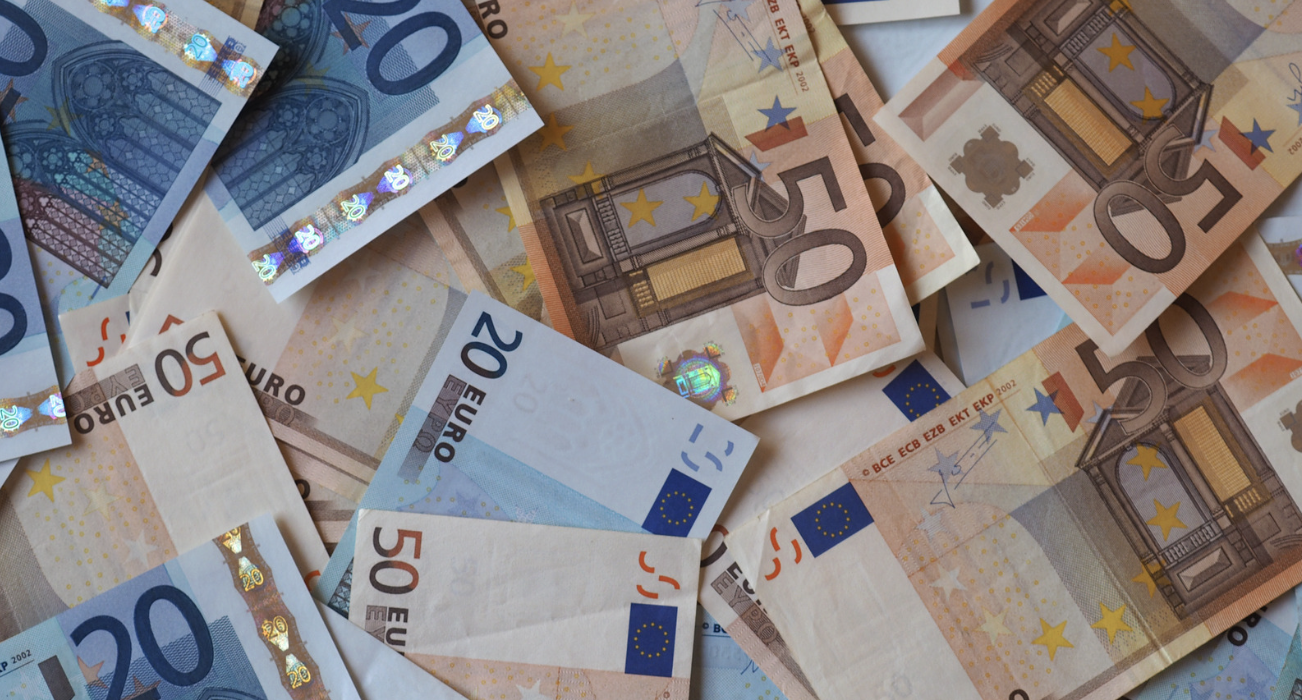
Many places across Europe accept tap-to-pay, including Apple Pay and Google Pay, but cash is still useful in smaller villages, local bakeries, taxis, and traditional tavernas.
3. Use ATMs Carefully in Europe
One of the easiest ways to access money abroad is through local ATMs, but not all ATMs are created equal.
Avoid:
Euronet ATMs whenever possible
Airport exchange counters with poor conversion rates
Letting the ATM convert your currency to USD
Instead:
Use ATMs attached to actual banks
Always choose to be charged in the local currency (Euros)
Withdraw larger amounts less frequently to reduce fees
This simple tip alone can save you hundreds of dollars during your trip.
4. Renting a Car in Europe Is Different Than in the U.S.
Renting a car can be an amazing way to explore Europe, especially islands, villages, and countryside areas that trains don’t reach easily. But driving in Europe can feel very different from driving in America.
Things to know:
Most rental cars are manual transmission
Automatic cars cost more and book out quickly
Roads in old cities can be extremely narrow
Parking can be challenging in historic centers
Many countries use toll roads
If you need an automatic car, reserve it as early as possible since they can sell out quickly during peak travel seasons.
For Americans, some countries may also require an International Driving Permit (IDP), which is essentially a translated version of your U.S. driver’s license. You can typically get one easily before your trip through your local AAA office, and it’s a good idea to carry it with you even in countries where it may not officially be required since some rental car companies may still ask for it.
5. Trains Are One of the Best Ways to Travel Europe
Europe’s train system is one of the easiest and most beautiful ways to travel between cities and countries.
Popular train routes include:
Paris to Amsterdam
Rome to Florence
Lisbon to Porto
Athens to Thessaloniki
Train travel tips:
Book early for cheaper tickets
Validate tickets if required
Keep an eye on your luggage
Arrive early for larger stations
Apps like Trainline can make booking much easier for first-time visitors.
6. Pack Lighter Than You Think You Need
Europe is not always suitcase-friendly. Many cities have:
Cobblestone streets
Stairs everywhere
Small elevators
Tiny hotel rooms
A giant suitcase might sound like a good idea until you’re dragging it through a train station in Italy during summer.
Try to:
Use a carry-on when possible
Bring comfortable walking shoes
Pack versatile clothing layers
Leave room for shopping and souvenirs

7. Understand That Europe Moves at a Slower Pace
One thing Americans often notice immediately is that customer service and daily life in Europe can feel slower compared to the United States — and honestly, that’s part of the charm.
This is completely normal.
Restaurants may not rush you to leave after your meal, shops may close during siesta hours, and dinner often starts much later than in the U.S. In many European countries, meals are meant to be enjoyed slowly and socially rather than rushed through.
It’s also very common in Europe that servers will not automatically bring you the bill when you finish eating. Instead, you’ll usually need to ask for the check when you’re ready. In many places, servers also will not take your credit card away from the table to process payment like they often do in America. Instead, they’ll usually bring a handheld card machine directly to your table so you can pay right there.
People in Europe generally prioritize enjoying life, conversation, and time together over constantly rushing from one thing to the next. Once you embrace the slower pace, it often becomes one of the best parts of traveling Europe.
8. Travel Insurance Is Worth It
Travel insurance may seem unnecessary until something actually goes wrong abroad — and trust me, travel days do not always go as planned.
Delayed flights, missed connections, lost luggage, stolen belongings, illness, injuries, or emergency cancellations can become incredibly expensive when you’re overseas. For first-time travelers especially, having both travel insurance and travel health insurance can provide peace of mind and potentially save you thousands of dollars.
Many people assume they’re the same thing, but they actually cover different things:
Travel Insurance typically helps protect you financially if your trip is disrupted. This can include:
Flight cancellations or delays
Lost or delayed luggage
Hotel reimbursement for unexpected delays
Trip interruptions
Emergency evacuations
Theft of belongings
Last-minute cancellations due to illness or emergencies
For example, if your flight to Europe gets canceled and you suddenly need an extra hotel night and a new ticket, travel insurance may help reimburse those costs.
Travel Health Insurance, on the other hand, focuses specifically on medical care while you’re abroad. This is especially important because many U.S. health insurance plans offer very limited international coverage, or no coverage at all outside the United States.
Travel health insurance can help cover:
Emergency doctor visits
Hospital stays abroad
Ambulance transportation
Prescription medications
Emergency surgery or treatment
Medical evacuation back home if needed
Even in countries with public healthcare systems, tourists are not always covered for free medical care. While some medical visits in Europe may be affordable compared to the U.S., emergencies, hospitalizations, or medical evacuations can still become extremely expensive very quickly.
As someone who travels internationally often, I personally never recommend leaving the country without both types of coverage — especially if you’re traveling with children, taking ferries or road trips, participating in outdoor activities, or visiting multiple countries.
Before your trip, also check:
Whether your credit card includes travel protections
If your current health insurance covers international emergencies
Whether pre-existing conditions are covered
If your policy includes medical evacuation coverage
Hopefully you’ll never need to use it, but having the right coverage can make a stressful situation abroad dramatically easier to navigate.
9. Learn a Few Basic Local Phrases
Even learning a few simple phrases goes a long way.
Examples:
Hello
Thank you
Please
Excuse me
Do you speak English?
Where is the bathroom?
Locals almost always appreciate the effort, even if your pronunciation isn’t perfect.
10. Don’t Overpack Your Itinerary
One of the biggest mistakes first-time Europe travelers make is trying to visit too many countries too quickly.
Instead of:
“10 countries in 14 days”
Try:
“2–3 countries with time to actually enjoy them.”
Europe is best experienced slowly:
Long dinners
Wandering side streets
Sitting in cafés
Beach sunsets
Unexpected moments
Those are usually the memories you’ll treasure most.
Passport Basics & New Europe Entry Requirements
Before booking your trip to Europe, one of the most important things to check is your passport validity. Many travelers are surprised to learn that even if their passport hasn’t technically expired yet, they still may not be allowed to enter certain countries.
Here are a few important passport basics every first-time Europe traveler should know:
Your passport should be valid for at least 6 months beyond your return date
Most European countries require at least 2 blank passport pages available for entry and exit stamps
It’s a good idea to keep a digital copy of your passport saved securely on your phone, in your email, or in cloud storage in case your passport is lost or stolen during your trip
Some travelers also choose to carry a printed photocopy of their passport separately from the original
If your passport is close to expiring, renew it well before your trip since passport processing times can sometimes take longer than expected.
ETIAS: New Europe Travel Authorization System
Europe will also soon begin rolling out a new entry authorization system called ETIAS (European Travel Information and Authorisation System).
ETIAS is a new mandatory pre-travel screening system for citizens from visa-exempt countries — including Americans — visiting many European countries for short stays.
Important things to know:
ETIAS is expected to begin operations in the last quarter of 2026
It is not a visa
Travelers will complete a simple online authorization before traveling
The authorization will apply to travel within 30 participating European countries
As of now, travelers do not need to take any action yet
Once implemented, ETIAS will become an additional step travelers need to complete before boarding their flight to Europe, similar to systems already used by countries like the United States and Canada.
Safety Tips for Traveling in Europe
Europe is generally very safe for travelers, including solo travelers and families, but like anywhere in the world, it’s important to stay aware of your surroundings — especially in high-traffic tourist areas.
The most common issue travelers encounter in Europe is usually not violent crime, but rather pickpocketing and tourist scams in crowded areas like:
Train stations
Airports
Public transportation
Famous landmarks
Busy city centers
Popular beaches and nightlife areas
Cities like Paris, Rome, Barcelona, Athens, and Amsterdam are beautiful, but they’re also known for opportunistic theft targeting distracted tourists.
Common Safety Tips for First-Time Europe Travelers

Keep Your Valuables Secure
Avoid keeping your wallet, passport, or phone in your back pocket or an open tote bag. Crossbody bags with zippers are usually the safest option while sightseeing.
If possible:
Carry only the cash you need for the day
Leave extra cards and passports secured in your hotel safe
Consider using an anti-theft bag or money belt in crowded areas
Be Extra Aware in Tourist Hotspots
Pickpockets often work in crowded spaces where people are distracted taking photos, boarding trains, or navigating maps.
Be cautious if:
Someone creates a distraction near you
A stranger gets unusually close
Someone tries to hand you bracelets, flowers, petitions, or “free gifts”
Groups of children or people surround you unexpectedly
Unfortunately, tourist scams are very common around famous landmarks.
Watch Your Bags on Public Transportation
Never leave your luggage or backpack unattended, especially on trains, ferries, buses, or in airports.
On overnight trains or long rides:
Keep valuables close to your body
Lock your luggage if possible
Avoid storing passports, electronics, or money in easily accessible outer pockets
Avoid Flashing Expensive Items
Wearing designer bags, expensive jewelry, large cameras, or visibly carrying lots of cash can unintentionally make travelers bigger targets in crowded areas.
Use Official Transportation When Possible
When arriving late at night or in a new city:
Use official taxis, Uber, Bolt, or pre-arranged transfers
Avoid unlicensed taxis near airports or ports
Double-check license plates before entering vehicles
Save Important Information Offline
Before your trip, save:
Hotel addresses
Emergency contacts
Copies of passports
Insurance information
Important reservations
Having this information accessible offline can be incredibly helpful if your phone dies or you lose internet access.
Emergency Number in Europe
Across most European countries, the emergency number is:
112
You can call 112 for police, ambulance, or fire emergencies throughout most of Europe.
Trust Your Instincts
One of the best travel safety tips is simple: trust your gut.
If a situation, street, or person feels off, leave immediately and move toward busier, well-lit areas. Most trips to Europe are completely wonderful and safe, but staying aware and prepared can help you avoid the most common travel issues travelers encounter abroad.


Are you ready to breakaway from your traditional, location dependent 9 to 5 job in search of more freedom and flexibility but not sure where to start? Check out these remote job leads to land your dream digital nomad job today!